Additional Information
Research Applications of BPC-157
BPC-157 remains one of the most widely studied peptides within regenerative biology and tissue repair research. Researchers continue investigating its role across multiple physiological systems due to its broad range of observed biological interactions.
Unlike many peptides that target a single receptor or pathway, BPC-157 has been investigated across numerous areas of scientific interest including tendon biology, ligament repair, muscle recovery, gastrointestinal research and cellular communication.
Areas of Investigation
Researchers frequently study BPC-157 within:
- Tendon repair models
- Ligament healing studies
- Muscle recovery investigations
- Gastrointestinal research
- Angiogenesis studies
- Fibroblast activity research
- Connective tissue biology
This broad range of research applications has contributed to BPC-157 becoming one of the most recognised peptides within recovery-focused scientific literature.
Understanding BPC-157
What Is Body Protection Compound-157?
BPC-157 stands for Body Protection Compound-157.
The peptide originates from a naturally occurring protective protein identified within gastric tissue. Researchers developed synthetic BPC-157 to investigate its biological activity under controlled laboratory conditions.
Peptide Structure
BPC-157 is composed of 15 amino acids and is classified as a pentadecapeptide.
Researchers investigate its stability because it appears unusually resistant to degradation compared with many other peptides.
This characteristic has made it particularly attractive for laboratory investigations involving tissue biology and recovery mechanisms.
Tendon and Ligament Research
One of the most active areas of BPC-157 research involves tendon and ligament biology.
Researchers have explored how BPC-157 may influence cellular pathways associated with:
- Collagen organisation
- Fibroblast migration
- Tendon adaptation
- Ligament healing
- Tissue regeneration
Published studies have reported improvements in tendon healing parameters and biomechanical outcomes in experimental models.
Fibroblast Research
Fibroblasts play a critical role in connective tissue maintenance.
Researchers continue investigating whether BPC-157 may influence fibroblast migration and proliferation during tissue adaptation processes.
These findings have contributed significantly to scientific interest surrounding BPC-157.
Muscle Recovery Research
Researchers have also explored the role of BPC-157 within muscle tissue research.
Areas of investigation include:
- Muscle recovery
- Cellular signalling
- Tissue adaptation
- Recovery mechanisms
- Vascular responses
Scientific investigations continue evaluating how peptide signalling may influence biological pathways involved in musculoskeletal maintenance.
Gastrointestinal Research
BPC-157 was originally derived from a protective gastric protein.
For this reason, some of the earliest scientific investigations focused on gastrointestinal biology.
Researchers continue studying how BPC-157 interacts with biological systems associated with:
- Gastric tissue
- Intestinal tissue
- Cellular maintenance
- Epithelial biology
- Tissue adaptation pathways
These studies helped establish the foundation for later research involving musculoskeletal and regenerative applications.
Angiogenesis and Vascular Research
Researchers continue investigating how BPC-157 may influence angiogenesis-related signalling pathways.
Angiogenesis refers to the formation of new blood vessels, an important biological process involved in tissue adaptation and maintenance.
Scientific investigations have examined:
- Vascular signalling
- Endothelial cell activity
- Tissue oxygenation pathways
- Recovery-related biological processes
Understanding these mechanisms remains an important objective within regenerative biology research.
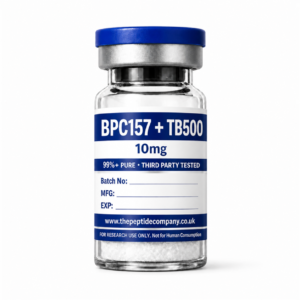
BPC-157 vs TB-500
Researchers frequently compare BPC-157 and TB-500 because both are commonly investigated within tissue repair studies.
BPC-157 Research Focus
- Tendons
- Ligaments
- Gastrointestinal tissue
- Fibroblast activity
- Angiogenesis
TB-500 Research Focus
- Cellular migration
- Tissue adaptation
- Recovery pathways
- Cytoskeletal organisation
- Systemic biological activity
Many researchers investigate these peptides together because they may interact with different biological pathways.
This combination has led to the popularity of products such as the Wolverine Stack.
Storage and Handling Information
Storage Recommendations
Proper storage is essential for maintaining peptide integrity.
Lyophilised Powder
Prior to reconstitution, BPC-157 should generally be stored at:
- 2-8°C refrigerated
- -20°C frozen for long-term preservation
Reconstituted Material
Following reconstitution, researchers typically maintain refrigerated storage conditions and utilise solutions according to laboratory protocols.
Environmental Protection
Researchers should protect peptides from:
- Excessive heat
- Direct sunlight
- Moisture exposure
- Contamination risks
Laboratory Best Practices
Researchers should:
- Use sterile handling procedures
- Wear appropriate PPE
- Maintain accurate study records
- Follow institutional protocols
- Minimise contamination risks
Frequently Asked Questions
What is BPC-157?BPC-157 is a synthetic pentadecapeptide derived from a naturally occurring protective gastric protein.
What does BPC-157 stand for?BPC stands for Body Protection Compound.
Why do researchers study BPC-157?Researchers investigate BPC-157 because of its involvement in tissue repair, cellular signalling and regenerative biology research.
What research areas commonly involve BPC-157?- Tendon biology
- Ligament repair
- Muscle recovery
- Gastrointestinal research
- Angiogenesis studies
- Fibroblast investigations
Is this product intended for human consumption?No. This product is supplied strictly for laboratory and research purposes only.
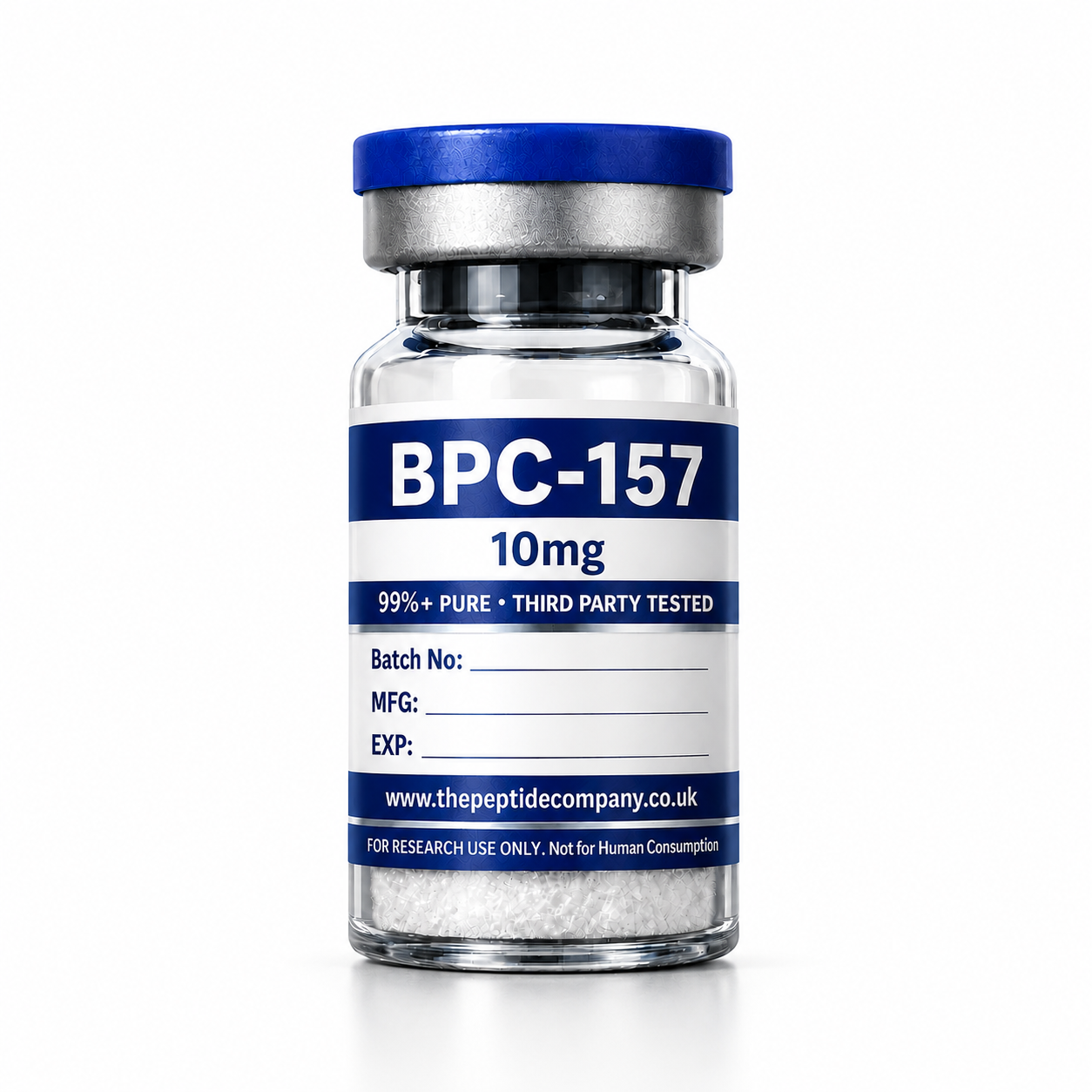
What form is supplied?BPC-157 is supplied as a lyophilised powder.
Why is purity important?High purity helps improve consistency and reliability across scientific investigations.
How does BPC-157 differ from TB-500?Researchers study BPC-157 primarily for tendon, ligament and gastrointestinal biology, while TB-500 investigations frequently focus on cellular migration and systemic tissue adaptation.
“`html
Related Research Guides
Explore additional peptide research resources covering mechanisms, storage considerations, laboratory handling procedures, comparison guides, and current areas of scientific investigation.
“`
Jordan Sinclair –
This BPC-157 10mg is excellent! It delivers powerful healing, reduces inflammation, and speeds up recovery from injuries and workouts.
I’ve seen faster joint and tendon repair with less pain and better mobility.
High-quality BPC-157 10mg, highly recommend for anyone needing serious recovery support.
Really impressed with the low prices and speedy delivery too.