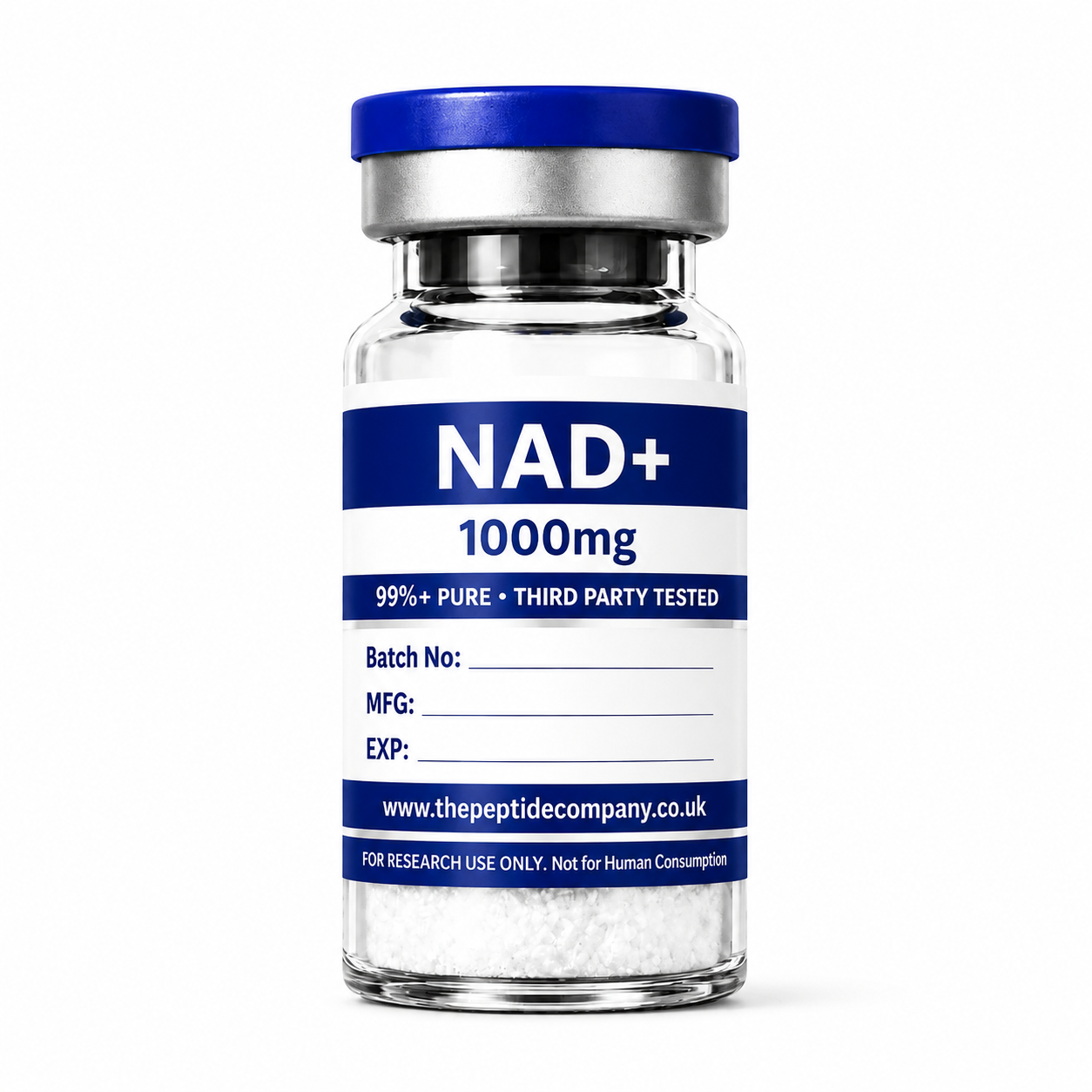
🧪 Research Applications of NAD+
Scientific Interest in NAD+ Research
Nicotinamide Adenine Dinucleotide (NAD+) is one of the most important coenzymes found throughout biological systems. Researchers continue to investigate its role in numerous cellular processes due to its involvement in energy production and cellular metabolism.
Cellular Energy Research
One of the primary areas of scientific investigation involves the role of NAD+ within cellular energy pathways. Researchers study how NAD+ participates in metabolic reactions that help cells convert nutrients into usable energy. Because every cell relies on these processes, NAD+ remains a major focus of metabolic research.
Mitochondrial Function Studies
Mitochondria are often referred to as the energy-producing structures within cells. Researchers continue examining the relationship between NAD+ availability and mitochondrial efficiency. Studies frequently investigate:
- Energy metabolism
- Cellular respiration
- ATP production pathways
- Mitochondrial signalling
- Cellular adaptation mechanisms
Longevity Research
NAD+ has become increasingly prominent within longevity and healthy ageing research. Scientists continue investigating how changes in NAD+ levels may relate to age-associated biological processes and cellular maintenance mechanisms.
Metabolic Research
Researchers frequently examine NAD+ because of its involvement in numerous metabolic pathways. Areas of interest include:
- Glucose metabolism
- Cellular energy utilisation
- Fat metabolism
- Oxidative stress research
- Nutrient sensing pathways
As scientific understanding advances, NAD+ remains one of the most researched compounds within modern longevity and metabolic science.
🔬 Understanding How NAD+ Works
A Fundamental Cellular Coenzyme
NAD+ is naturally present throughout the body and plays an essential role in countless biological reactions. Researchers investigate NAD+ because it acts as a coenzyme within oxidation-reduction reactions that help support cellular energy production.
Electron Transfer Research
One of the most important functions studied involves electron transport and energy conversion. Scientists continue exploring how NAD+ participates in:
- Cellular respiration
- ATP generation
- Metabolic signalling
- Mitochondrial activity
- Energy regulation pathways
Without NAD+, many cellular processes would be unable to function efficiently.
Cellular Communication
Researchers have also investigated how NAD+ may influence communication pathways between cells. These signalling systems help coordinate biological responses related to maintenance, adaptation and recovery.
🧬 NAD+ and Longevity Research
Why NAD+ Has Attracted Scientific Attention
Interest in NAD+ increased substantially when researchers observed that natural NAD+ levels may decline over time. This observation prompted numerous studies exploring relationships between NAD+ availability and age-associated biological changes.
Sirtuin Research
One area of particular interest involves proteins known as sirtuins. Researchers investigate whether NAD+ availability influences the activity of these proteins and their role in cellular regulation.
DNA Maintenance Studies
Scientific investigations have also explored relationships between NAD+ and biological systems involved in maintaining genetic integrity. Researchers continue evaluating:
- Cellular maintenance pathways
- DNA repair mechanisms
- Oxidative stress responses
- Metabolic adaptation
- Cellular resilience
These ongoing investigations have helped establish NAD+ as a central topic within longevity research.
📊 Why Researchers Study NAD+
Broad Biological Importance
Unlike many research compounds that target specific receptors, NAD+ is involved in numerous biological systems simultaneously. This broad involvement makes it useful across multiple research disciplines.
Areas of Ongoing Investigation
Researchers frequently study NAD+ within:
- Cellular energy research
- Longevity studies
- Healthy ageing investigations
- Metabolic science
- Mitochondrial biology
- Cellular signalling research
- Recovery and adaptation studies
The extensive scientific literature surrounding NAD+ continues to grow as new discoveries emerge.
⚖️ NAD+ Compared with Other Research Compounds
Distinct Research Characteristics
Researchers often compare NAD+ with other popular compounds used in longevity and performance-related research.
- NAD+ vs GHK-Cu: While GHK-Cu is often investigated for tissue and regenerative biology, NAD+ research focuses heavily on energy production and cellular metabolism.
- NAD+ vs Ipamorelin: Ipamorelin studies primarily investigate growth hormone pathways, whereas NAD+ research centres around cellular energy systems.
- NAD+ vs Retatrutide: Retatrutide research focuses on metabolic receptor activity involving GLP-1, GIP and glucagon pathways. NAD+ investigations focus on intracellular energy metabolism.
Because of these differences, researchers frequently study NAD+ alongside other compounds depending on the objectives of their investigations.
❄️ Storage and Handling Information
Proper storage is important for preserving peptide and coenzyme quality.
Lyophilised Powder
Prior to reconstitution, NAD+ should generally be stored frozen at approximately -20°C.
Reconstituted Material
Following reconstitution, researchers typically maintain refrigerated storage conditions and utilise materials within suitable laboratory timeframes.
Environmental Protection
Researchers generally protect materials from:
- Direct sunlight
- Excessive heat
- Moisture exposure
- Contamination risks
Laboratory Best Practices
Researchers should:
- Use sterile handling procedures
- Wear appropriate PPE
- Maintain accurate study records
- Follow institutional research protocols
- Minimise contamination risks
❓ Frequently Asked Questions
What is NAD+?NAD+ (Nicotinamide Adenine Dinucleotide) is a naturally occurring coenzyme involved in cellular energy production and metabolic processes.
Why do researchers study NAD+?Researchers investigate NAD+ because of its involvement in energy metabolism, mitochondrial function and cellular signalling pathways.
What role does NAD+ play in cells?NAD+ participates in reactions that help convert nutrients into usable cellular energy.
Why is NAD+ important in longevity research?Researchers continue investigating potential relationships between NAD+ availability and age-associated biological processes.
Is this product intended for human consumption?No. This product is supplied strictly for laboratory and research purposes only.
What form is supplied?NAD+ is supplied as a lyophilised powder.
Why is lyophilisation used?Freeze-drying helps improve stability during storage and transportation.
How should NAD+ be stored?Researchers generally store lyophilised materials frozen until required for laboratory use.
Why is purity important?High purity helps support consistency and reliability across research studies.
What research fields commonly involve NAD+?Areas include cellular energy research, longevity studies, mitochondrial biology, metabolic science, healthy ageing research, and cellular signalling investigations.
🧬 Scientific Background of Mitochondrial Research
Understanding Cellular Energy Production
Every biological cell requires energy to function effectively. Researchers continue studying mitochondrial biology because these structures play a central role in energy production. NAD+ remains one of the most important molecules within these systems due to its involvement in metabolic reactions and cellular respiration pathways.
Scientific investigations frequently explore:
- Energy generation
- Mitochondrial efficiency
- Cellular adaptation
- Oxidative stress responses
- Metabolic flexibility
- Cellular resilience
As mitochondrial research continues to expand, NAD+ remains a fundamental component of modern cellular biology studies.
Explore Related Research Guides
Researchers interested in NAD+ may also find the following educational resources useful. These guides provide additional information regarding peptide science, laboratory handling procedures, storage considerations and ongoing areas of biological research.
Bob David –
High-Purity NAD+ 100mg Peptide Review –
I recently purchased the NAD+ 100mg from The Peptide Company and was impressed by the professional quality.
This lyophilized research peptide boasts ≥99% purity, comes in a convenient 3ml vial, and is manufactured in GMP-certified facilities with full batch traceability and COA available.
Researchers exploring NAD+ supplements, anti-aging, and longevity will appreciate its role in supporting cellular energy metabolism, mitochondrial function, DNA repair, and sirtuin activation.
As NAD+ levels naturally decline with age, this high-quality compound is ideal for studies on metabolic health, neuroprotection, cognitive function, and cardiovascular wellness.
Reconstitution is straightforward with bacteriostatic water, and the discreet, temperature-controlled shipping ensures product integrity.
If you’re conducting serious research into NAD+ for anti-aging or cellular repair, this product delivers excellent value at a competitive price.
Highly recommended for dedicated longevity and peptide researchers.