🧪 Research Applications of Semaglutide
Scientific Interest in Semaglutide Research
Semaglutide is a GLP-1 receptor agonist that has become one of the most extensively studied compounds in modern metabolic research. Scientists continue to investigate its effects on appetite regulation, energy balance and glucose-related biological pathways.
Metabolic Research
One of the primary areas of scientific investigation involves metabolic regulation. Researchers continue studying how GLP-1 receptor activation may influence various processes associated with energy utilisation and nutrient handling.
Appetite Regulation Studies
Researchers frequently investigate the role of GLP-1 signalling in appetite-related pathways. These studies explore how receptor activation may influence biological mechanisms associated with satiety and feeding behaviour.
Glucose Regulation Research
Semaglutide is widely studied within glucose metabolism research. Scientists continue investigating how GLP-1 receptor activity may influence insulin-related pathways and overall metabolic regulation.
Body Composition Research
Researchers have also explored how metabolic signalling pathways may influence body composition, energy expenditure and nutrient utilisation.
Long-Term Metabolic Studies
Ongoing investigations continue evaluating the broader role of GLP-1 receptor pathways in metabolic adaptation and energy homeostasis.
As scientific understanding evolves, Semaglutide remains one of the most researched peptides within the field of metabolic science.
🔬 Understanding How Semaglutide Works
GLP-1 Receptor Agonist Research
Semaglutide is classified as a GLP-1 receptor agonist. GLP-1, or Glucagon-Like Peptide-1, is a naturally occurring hormone involved in various metabolic signalling processes. Researchers investigate how Semaglutide interacts with GLP-1 receptors throughout the body and how this activity may influence biological regulation.
GLP-1 Signalling
Scientific investigations frequently examine the relationship between GLP-1 receptor activation and:
- Appetite regulation
- Energy balance
- Glucose metabolism
- Insulin signalling
- Nutrient processing
- Metabolic adaptation
Receptor Activity Research
Semaglutide is often studied because of its extended duration of activity compared with naturally occurring GLP-1.
Researchers continue investigating how this prolonged receptor interaction influences metabolic pathways over time.
📊 Why Researchers Study Semaglutide
Significant Scientific Interest
Semaglutide has generated substantial interest within the scientific community due to its role in multiple metabolic systems. Researchers continue investigating several key areas.
Energy Balance Research
Energy balance represents a complex interaction between energy intake and energy expenditure. Scientists continue exploring how GLP-1 receptor pathways contribute to these regulatory mechanisms.
Nutrient Utilisation Studies
Researchers examine how metabolic signalling influences nutrient processing and overall physiological adaptation.
Hormonal Regulation Research
Semaglutide studies frequently investigate interactions between GLP-1 signalling and other hormonal systems involved in metabolic control.
Long-Term Metabolic Adaptation
Scientists continue evaluating how prolonged receptor activation may affect biological pathways associated with metabolic regulation.
These diverse areas of investigation have contributed to the extensive body of scientific literature surrounding Semaglutide.
⚖️ Semaglutide vs Other Metabolic Research Peptides
Comparing Research Interests
Researchers frequently compare Semaglutide with other compounds involved in metabolic and weight-management-related studies.
- Semaglutide vs Retatrutide: Semaglutide targets the GLP-1 receptor pathway alone. Retatrutide is studied as a triple agonist affecting GLP-1, GIP and glucagon receptors simultaneously. Researchers continue investigating differences between these approaches within metabolic research models.
- Semaglutide vs Tirzepatide: While Semaglutide focuses on GLP-1 receptor activity, Tirzepatide is studied for combined GLP-1 and GIP receptor activation.
- Semaglutide vs NAD+: NAD+ research primarily focuses on cellular energy production and mitochondrial function, whereas Semaglutide studies focus on metabolic signalling pathways.
- Semaglutide vs Ipamorelin: Ipamorelin research investigates growth hormone pathways, while Semaglutide research centres around metabolic regulation and appetite-related signalling.
Understanding these distinctions helps researchers select appropriate compounds for specific scientific objectives.
❄️ Storage and Handling Information
Maintaining peptide integrity is essential for reliable laboratory investigations.
Lyophilised Powder Storage
Prior to reconstitution, Semaglutide should generally be stored frozen at approximately -20°C.
Reconstituted Material
After reconstitution, researchers typically store solutions under refrigerated conditions and utilise them within appropriate laboratory timeframes.
Protection from Environmental Factors
To help preserve quality, materials should be protected from:
- Direct sunlight
- Excessive heat
- Moisture exposure
- Contamination risks
Avoid Repeated Freeze-Thaw Cycles
Repeated freeze-thaw cycles may affect peptide stability and should generally be minimised whenever possible.
Laboratory Best Practices
Researchers should:
- Use sterile handling procedures
- Wear appropriate PPE
- Maintain accurate records
- Follow institutional protocols
- Store materials correctly between uses
🧬 Scientific Background of GLP-1 Research
Understanding GLP-1 Biology
GLP-1 is a naturally occurring hormone involved in metabolic regulation. Researchers continue studying GLP-1 because of its role in coordinating biological responses related to nutrient intake and energy balance.
Scientific investigations frequently explore:
- Appetite signalling
- Satiety mechanisms
- Glucose metabolism
- Hormonal communication
- Energy utilisation
- Metabolic adaptation
As metabolic research continues to advance, GLP-1 receptor pathways remain one of the most active areas of peptide science.
❓ Frequently Asked Questions
What is Semaglutide?Semaglutide is a GLP-1 receptor agonist commonly studied within metabolic and appetite-regulation research.
What type of peptide is Semaglutide?It is classified as a GLP-1 receptor agonist.
Why do researchers study Semaglutide?Scientists investigate its interaction with metabolic signalling pathways associated with appetite regulation, glucose metabolism and energy balance.
What does GLP-1 stand for?GLP-1 stands for Glucagon-Like Peptide-1, a naturally occurring hormone involved in metabolic regulation.
Is this product intended for human consumption?No. This product is supplied strictly for laboratory and research purposes only.
What form is supplied?Semaglutide is supplied as a lyophilised powder.
Why is lyophilised powder used?Freeze-drying helps improve stability during storage and transportation.
How should Semaglutide be stored?Researchers generally store lyophilised peptides frozen until required for laboratory use.
Why is purity important?High purity helps improve consistency and reliability across scientific studies.
What research fields commonly involve Semaglutide?Areas include metabolic research, appetite regulation studies, energy balance research, glucose metabolism investigations, and hormonal signalling studies.
How does Semaglutide differ from Retatrutide?Researchers study Semaglutide for GLP-1 receptor activity, while Retatrutide is investigated for activity across GLP-1, GIP and glucagon receptors.
Explore Related Research Guides
Researchers interested in Semaglutide may also wish to explore the following educational resources. They provide additional information regarding peptide science, laboratory handling procedures, storage recommendations and ongoing areas of biological research.




Claire Simmonds –
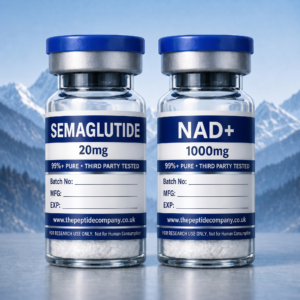
The Semaglutide 20mg from The Peptide Company stands out as a premium research-grade GLP-1 peptide designed for advanced metabolic and endocrine studies.
Supplied as a lyophilised powder, this high-purity compound supports accurate laboratory research into glucose regulation, insulin response, and weight management pathways.
Like other semaglutide products, it is engineered to mimic the GLP-1 hormone, offering extended stability and consistent performance in controlled environments .
What makes this product appealing is its focus on quality assurance, purity standards, and research reliability, making it suitable for professionals seeking dependable peptide solutions.
The 20mg dosage provides flexibility for varied experimental protocols, while proper storage and reconstitution help maintain molecular integrity.
Overall, this is a strong option for those searching for buy semaglutide UK, research peptides UK, GLP-1 agonist peptides, and high-purity semaglutide 20mg, combining value, consistency, and scientific-grade formulation.